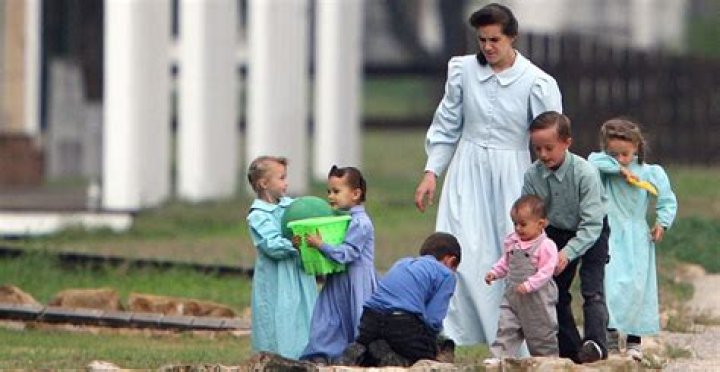
In the heart of agriculture lies the intricate relationship between farmers and drovers. These two vital roles have shaped the landscape of rural life for centuries, weaving a tapestry of tradition, hard work, and community. Farmers, the backbone of food production, toil the land to cultivate crops while drovers, often the unsung heroes, ensure the safe movement of livestock from one place to another. Together, they create a system that not only sustains our food supply but also preserves cultural practices passed down through generations.
As we delve deeper into the world of farmers and drovers, we discover how their lives are intertwined with nature, seasons, and the rhythms of the earth. The roles they play are not just about labor; they embody a lifestyle that champions sustainability, resilience, and a profound respect for the land. In an era where urbanization and technology are rapidly changing the countryside, understanding the dynamics between farmers and drovers becomes increasingly important.
Moreover, the challenges faced by farmers and drovers today are a reflection of broader societal shifts. From climate change impacting crop yields to the evolution of livestock handling methods, these individuals are on the frontlines, adapting to ensure their livelihoods and the future of agriculture. By exploring their stories, we gain insight into the significance of their work, the challenges they encounter, and the traditions they uphold.
What is the Historical Significance of Farmers and Drovers?
The historical significance of farmers and drovers can be traced back to the dawn of agriculture itself. As societies transitioned from nomadic lifestyles to settled farming communities, the need for reliable food sources became paramount. Farmers emerged as cultivators of the land, while drovers were essential for the transportation of livestock to markets, ensuring that communities had access to meat, dairy, and wool.
How Did the Role of Farmers Evolve Over Time?
Throughout history, the role of farmers has evolved dramatically. Initially, farming was a labor-intensive process reliant on manual work and traditional methods. However, with advancements in technology, the agricultural landscape has transformed:
- Mechanization: The introduction of tractors and automated equipment has significantly increased efficiency.
- Innovation: Modern farming techniques, such as crop rotation and hydroponics, have improved yields.
- Sustainability: There is a growing emphasis on sustainable practices to combat environmental challenges.
What Challenges Do Farmers and Drovers Face Today?
Farmers and drovers today confront a myriad of challenges that threaten their livelihoods:
- Climate Change: Extreme weather events can devastate crops and livestock.
- Market Fluctuations: Prices for crops and livestock can be unpredictable, affecting profitability.
- Labor Shortages: Many farmers struggle to find skilled labor, impacting productivity.
How Do Farmers and Drovers Contribute to Local Economies?
The contributions of farmers and drovers extend far beyond their immediate roles. They play a crucial part in local economies by:
- Creating Jobs: Agriculture supports numerous jobs in processing, transportation, and retail.
- Supporting Local Businesses: Farmers often purchase supplies and services from local vendors.
- Preserving Rural Communities: By sustaining agriculture, they help maintain the cultural fabric of rural areas.
What Role Do Drovers Play in Modern Agriculture?
Drovers, though often overlooked, hold an essential position in modern agriculture. Their responsibilities include:
- Livestock Management: Ensuring the health and well-being of animals during transport.
- Logistics Coordination: Planning routes and schedules for the safe movement of livestock.
- Market Access: Connecting farmers to markets and helping them reach consumers.
Are There Any Notable Figures Among Farmers and Drovers?
Yes, numerous individuals have made significant contributions to the field of agriculture and livestock management. One such figure is John Smith, a renowned farmer and drover known for his innovative practices and community involvement.
| Personal Details | Bio Data |
|---|---|
| Name | John Smith |
| Occupation | Farmer and Drover |
| Location | Midwest, USA |
| Years Active | 20+ years |
| Achievements | Innovative Farming Techniques, Community Leader |
What Innovations Are Emerging in the Field of Agriculture?
Innovation is at the forefront of modern agriculture, with farmers and drovers adopting new technologies to enhance productivity:
- Precision Agriculture: Utilizing data and technology to optimize farming practices.
- Smart Livestock Monitoring: Using sensors and tracking devices to monitor animal health.
- Vertical Farming: Growing crops in stacked layers to maximize space and resources.
How Can We Support Farmers and Drovers in Their Efforts?
Supporting farmers and drovers is essential for the sustainability of our food systems. Here are ways individuals can contribute:
- Buy Local: Purchase produce and meat from local farmers markets.
- Advocate for Sustainable Practices: Support policies that promote sustainable agriculture.
- Educate Others: Share knowledge about the importance of farmers and drovers in our communities.
In conclusion, the lives of farmers and drovers are integral to our understanding of agriculture and rural life. By recognizing their contributions and challenges, we can foster a deeper appreciation for the work they do and support the future of sustainable farming practices. As we move forward, let us honor the rich history and enduring legacy of farmers and drovers, ensuring that their vital roles continue to thrive for generations to come.